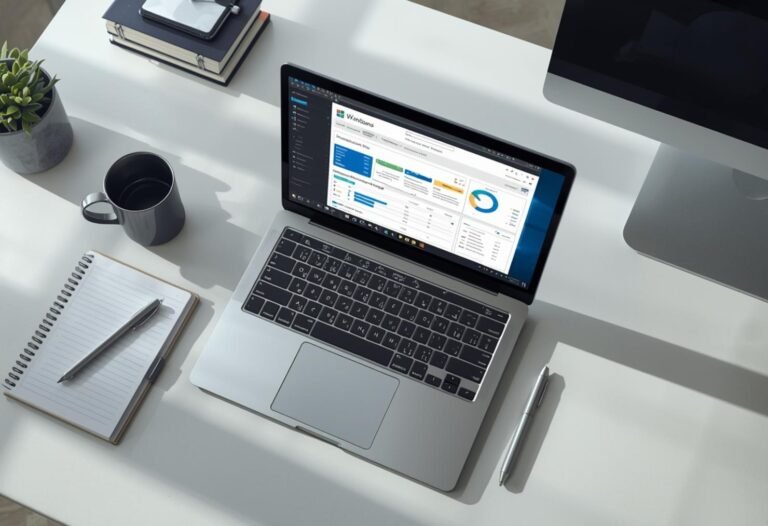
Critical Alert 2026: Prevent Ransomware Attacks PC Now
Breaking News: What You Need to Know
Prevent ransomware attacks PC. A new wave of ransomware threats is targeting personal and business computers worldwide.
Cybersecurity experts warn that outdated systems are the primary entry point for these attacks. Protect your data now with premium antivirus solutions.
Understanding the Threat or Update
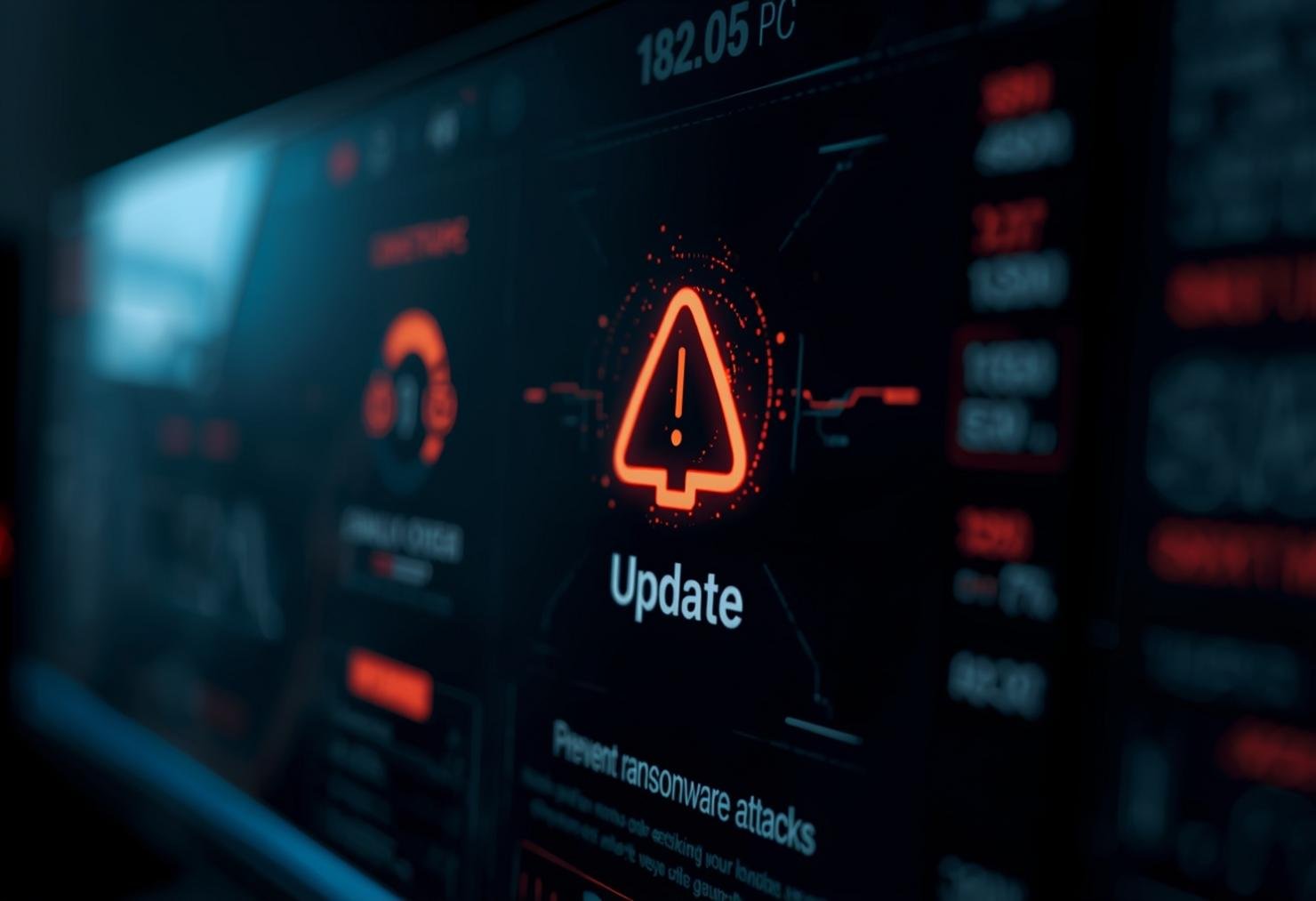
Modern ransomware encrypts your files and demands payment for decryption keys. These attacks often exploit unpatched vulnerabilities in operating systems and applications. For detailed vulnerability mitigation strategies, visit CVE ransomware vulnerability mitigation strategies.
Who is Affected?
- Windows 7 and earlier users without updates.
- Businesses running legacy software.
- Individuals with expired antivirus subscriptions.
- Users who clicked suspicious email links.
Immediate Action Plan: How to Protect Yourself

- Update your operating system immediately.
- Install CVE ransomware vulnerability mitigation strategies from official sources.
- Enable automatic updates for all software.
- Backup critical data to offline storage.
- Run a full system scan with updated antivirus.
Why Upgrading is the Ultimate Defense
Running outdated or cracked software leaves you vulnerable to ransomware attacks. These versions lack critical security patches and expose your system to exploitation. Professional security software provides real-time protection and automatic updates.
Looking Ahead: The Future Landscape
Ransomware tactics continue evolving with AI-powered attacks and fileless malware. Organizations must adopt zero-trust security models and continuous monitoring. The cost of prevention is far less than recovery from a successful attack.
Conclusion
Prevent ransomware attacks PC by taking immediate action today. Don’t wait for your data to be encrypted and held hostage. Secure your digital life now with trusted security solutions that offer lifetime protection.
Frequently Asked Questions
What makes ransomware attacks so dangerous?
Ransomware encrypts your files, making them completely inaccessible until you pay the ransom. Even if you pay, there’s no guarantee you’ll get your data back. The FBI advises against paying ransoms as it encourages criminal activity.
How can I tell if my PC is already infected?
Symptoms include sudden file encryption, ransom notes appearing on your desktop, and inability to open certain documents. Your computer may also run slower than usual. Run an immediate antivirus scan if you notice these signs.
Where can I find official CVE ransomware vulnerability mitigation strategies?
You can access comprehensive CVE ransomware vulnerability mitigation strategies through CISA’s official website. These guidelines provide step-by-step instructions for securing your systems against known vulnerabilities.
Can I recover files without paying the ransom?
Sometimes recovery is possible using free decryption tools from reputable security companies. However, success depends on the ransomware variant used. Prevention through regular backups remains your best defense strategy.
How often should I update my security software?
Security software should update automatically in real-time. Manual updates should occur at least weekly for optimal protection. Always ensure your virus definitions are current to defend against new threats.